
Liver Abscess
This page outlines symptoms, diagnosis, evaluation, drainage options, surgical planning, and follow-up considerations to help patients and families understand each step of care.
- Infection Care
- Imaging Review
- Treatment Planning
This page outlines symptoms, diagnosis, evaluation, drainage options, surgical planning, and follow-up considerations to help patients and families understand each step of care.
Condition Detail
A liver abscess is a pocket of infection inside the liver that needs timely medical attention. This guide explains the condition in clear steps so patients and families can understand warning signs, the evaluation process, and common treatment directions discussed during consultation.
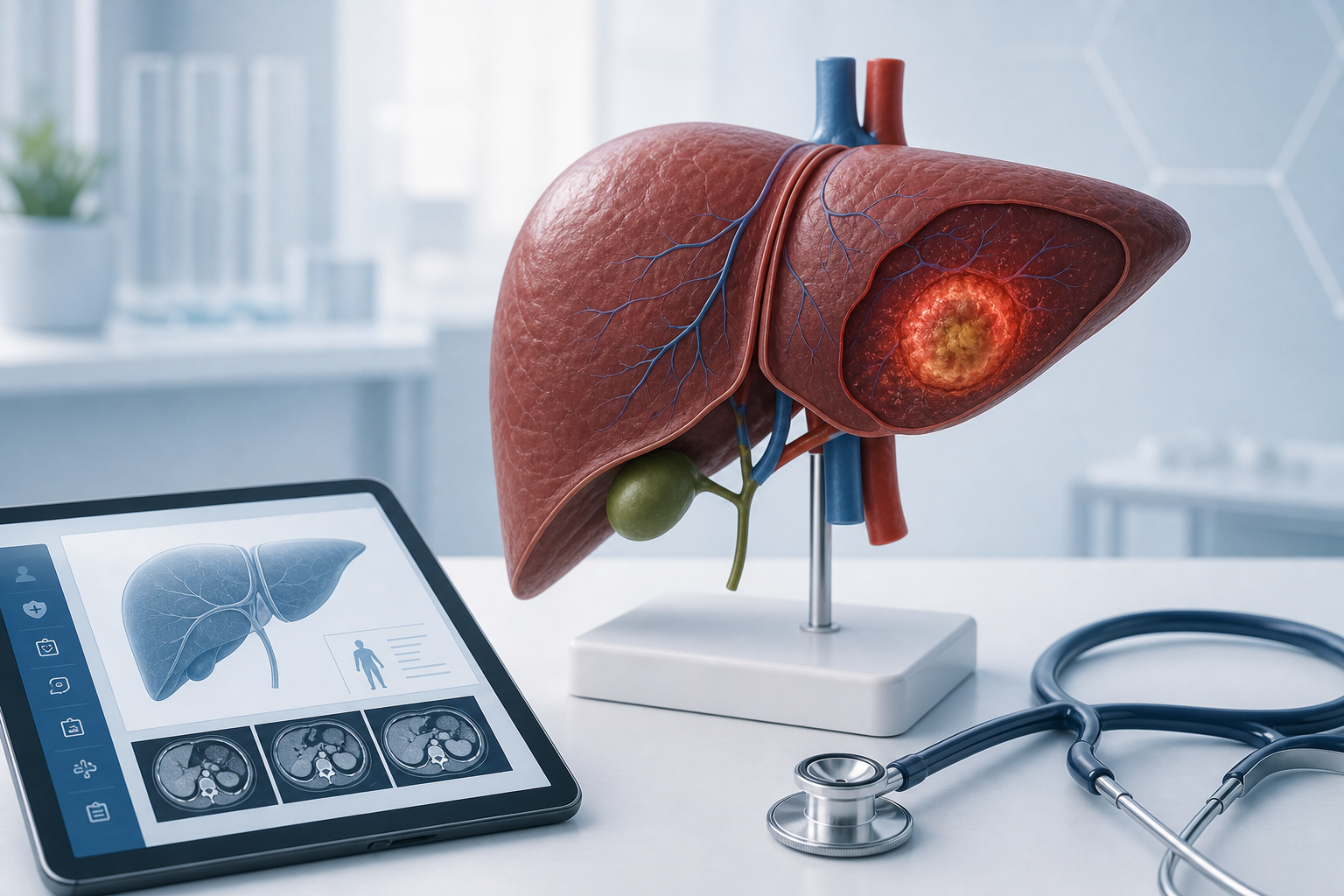
A liver abscess develops when infection causes a collection of pus in liver tissue. It may arise gradually with fever and weakness or present more suddenly with pain and chills. Early assessment helps reduce complications and usually allows effective, stepwise treatment.
Infection can spread to the liver from the bile ducts, bloodstream, or nearby abdominal infections. Some patients may have associated digestive or biliary conditions, diabetes, or lowered immunity. Prior abdominal infection history also guides clinical suspicion during review.
Common symptoms include fever, right upper abdominal discomfort, fatigue, reduced appetite, and nausea. Some patients notice weight loss or a general unwell feeling over days to weeks. Persistent fever with abdominal pain should be assessed without delay.
Diagnosis usually combines clinical examination, blood investigations, and imaging such as ultrasound or CT scan. These help confirm the abscess, estimate its size and location, and guide treatment planning. Additional tests may be advised to identify the infection source.
Treatment is tailored to severity and imaging findings. It may include antibiotics, image-guided drainage, and management of the underlying cause. Hospital observation is sometimes needed at the start, followed by planned review to ensure infection control and symptom improvement.
Recovery plans often include completion of medicines, hydration, nutrition support, and follow-up imaging when indicated. Families should watch for recurrent fever, worsening pain, or poor oral intake and seek review promptly. Scheduled follow-up helps confirm safe and complete recovery.
If you are experiencing ongoing symptoms or need a personalized treatment discussion, schedule a clinical consultation.
Book Appointment