
Liver Disease
This page covers major liver conditions evaluated and treated in hepatobiliary surgical practice.
- Diagnosis
- Treatment Planning
- Surgical Care
Liver disease care
Liver-related conditions managed on this site
Choose a condition below to open its dedicated page and review focused information before consultation.
Liver Abscess
A liver abscess is a collection of pus inside the liver that can develop from infection and may require urgent medical and surgical evaluation.
Liver Abscess
A liver abscess is a collection of pus inside the liver that can develop from infection and may require urgent medical and surgical evaluation.
A liver abscess is a collection of pus inside the liver that can develop from infection and may require urgent medical and surgical evaluation.
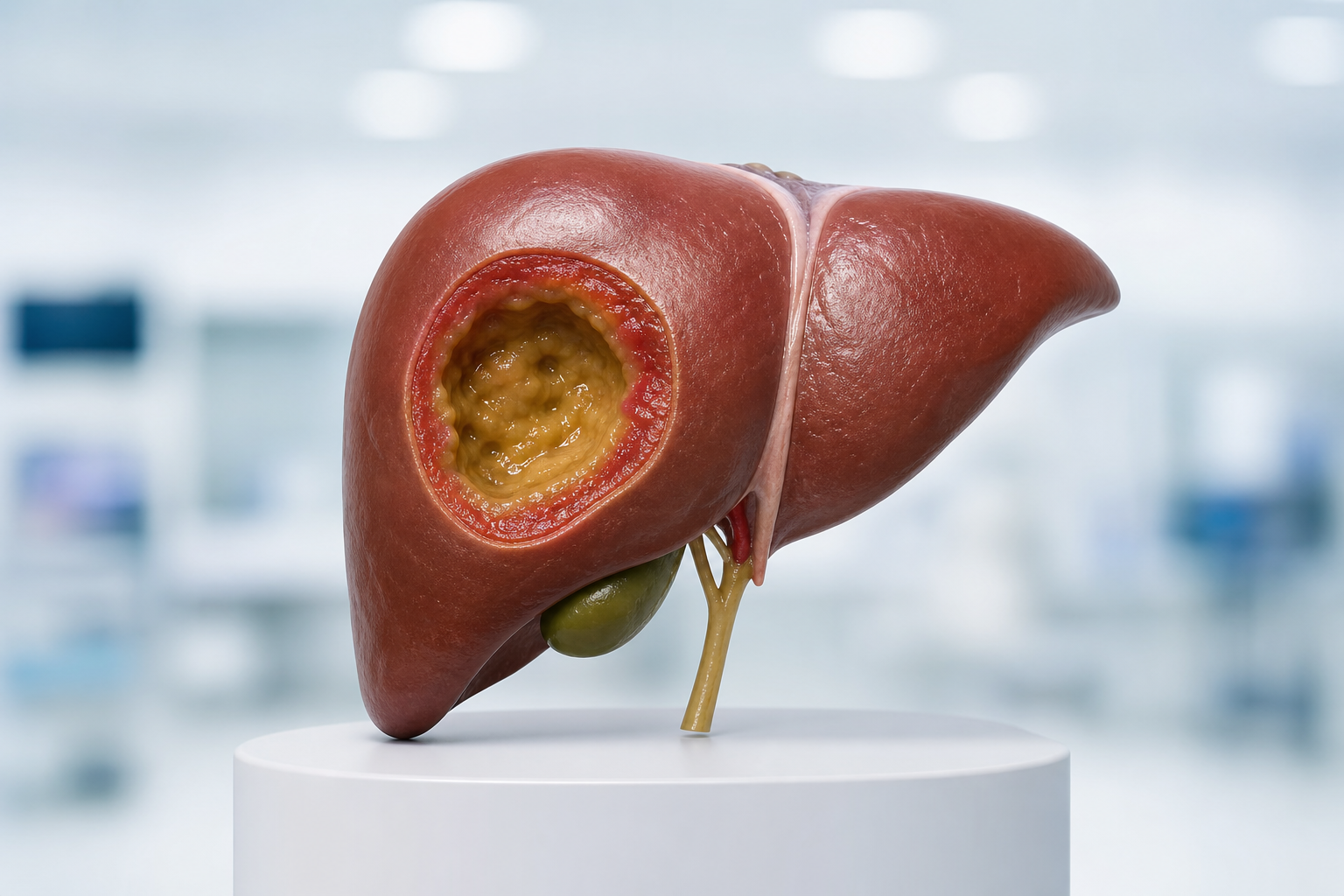
Photo placeholder — image will be added
- Overview
- Infection-related liver condition requiring timely diagnosis and guided treatment.
- Symptoms
- Fever, abdominal pain, weakness, reduced appetite, or persistent illness may be seen.
- Evaluation
- Assessment may include clinical review, blood tests, and imaging such as ultrasound or CT scan.
- Treatment
- Treatment depends on severity and may involve antibiotics, drainage, and supportive surgical planning when needed.
Video resource
Video link placeholder — will be added
Hydatid Cyst
Hydatid cyst of the liver is a parasitic cystic condition that needs careful evaluation because treatment planning depends on cyst size, location, and symptoms.
Hydatid Cyst
Hydatid cyst of the liver is a parasitic cystic condition that needs careful evaluation because treatment planning depends on cyst size, location, and symptoms.
Hydatid cyst of the liver is a parasitic cystic condition that needs careful evaluation because treatment planning depends on cyst size, location, and symptoms.
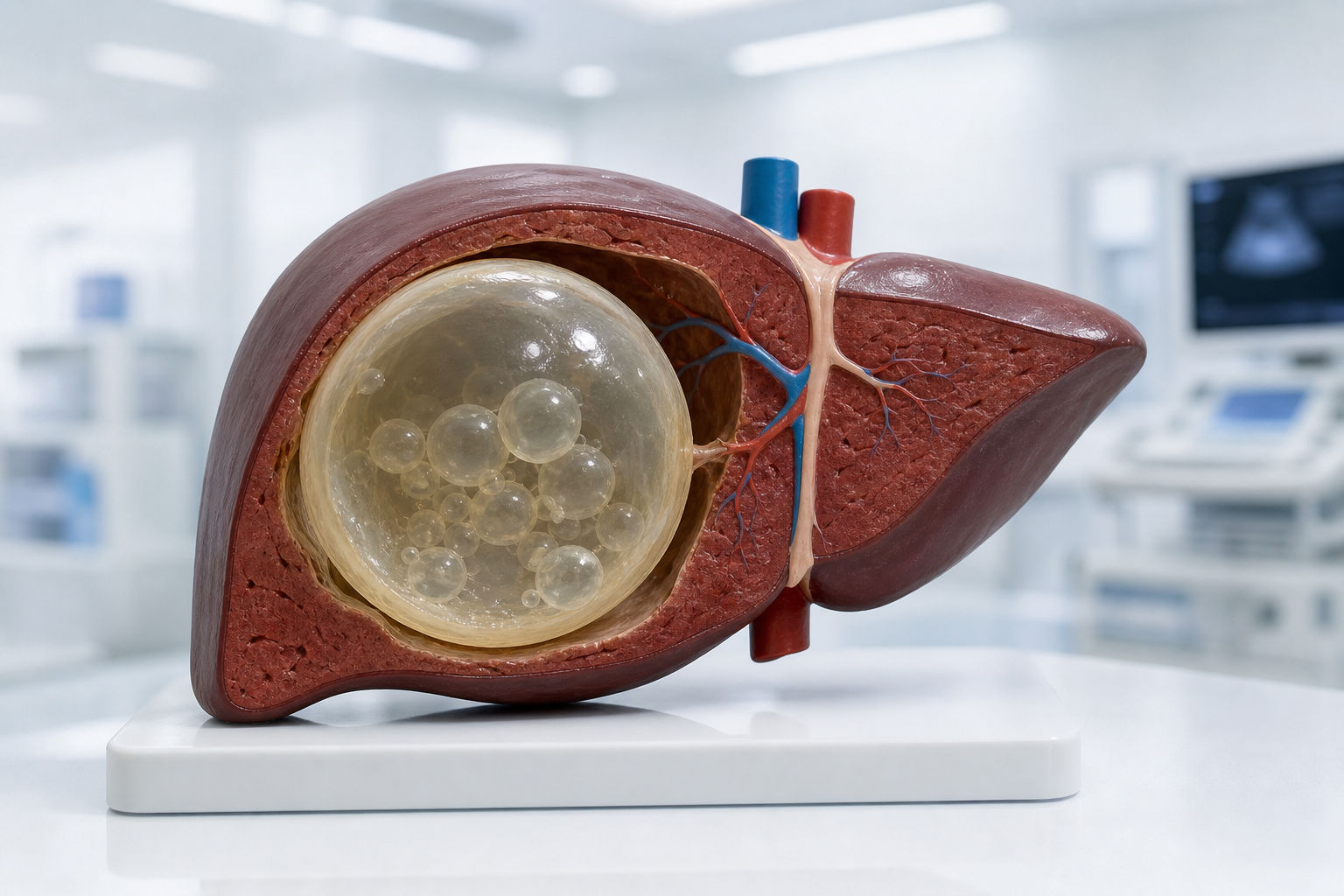
Photo placeholder — image will be added
- Overview
- Parasitic liver cyst condition assessed with imaging and structured risk review.
- Symptoms
- Some patients have no symptoms, while others develop abdominal discomfort, fullness, nausea, or pressure symptoms.
- Evaluation
- Work-up may include examination, ultrasound or CT imaging, and review of cyst characteristics before planning treatment.
- Treatment
- Management may include observation in selected cases or a planned surgical approach when intervention is appropriate.
Video resource
Video link placeholder — will be added
Hemangioma
Liver hemangioma is usually a benign vascular lesion, but larger or symptomatic cases may need specialist evaluation and follow-up.
Hemangioma
Liver hemangioma is usually a benign vascular lesion, but larger or symptomatic cases may need specialist evaluation and follow-up.
Liver hemangioma is usually a benign vascular lesion, but larger or symptomatic cases may need specialist evaluation and follow-up.
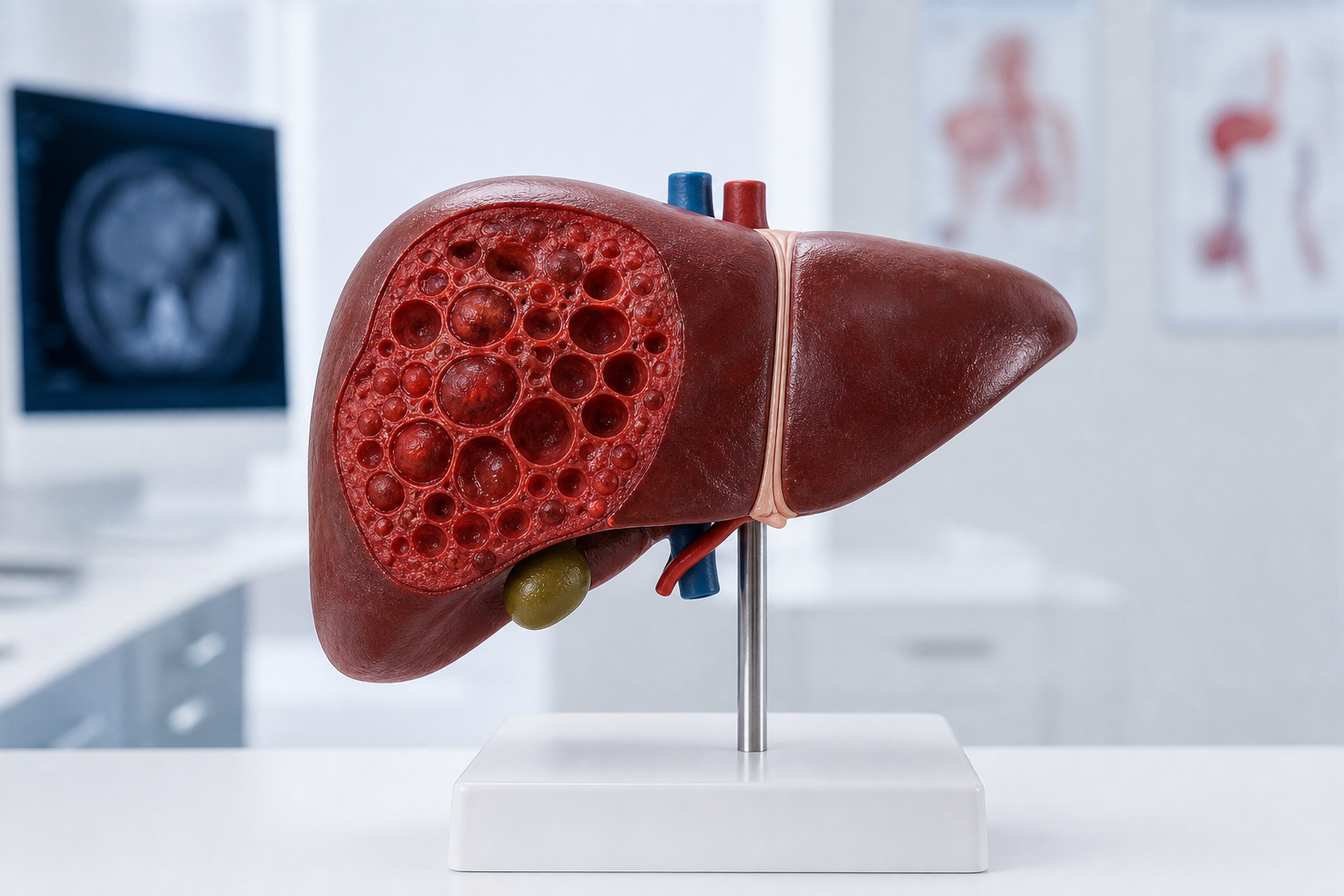
Photo placeholder — image will be added
- Overview
- Usually benign liver lesion reviewed for symptoms, size, and need for follow-up.
- Symptoms
- Many cases are found incidentally, but some patients may report discomfort, fullness, or pressure-related symptoms.
- Evaluation
- Evaluation focuses on imaging features, symptom pattern, and whether the lesion needs monitoring or further care.
- Treatment
- Most cases are observed, while selected symptomatic or complex cases may need a tailored treatment plan.
Video resource
Video link placeholder — will be addedHepatic Adenoma
Hepatic adenoma is an uncommon liver tumor that requires careful review because bleeding risk and long-term management depend on its features.
Hepatic Adenoma
Hepatic adenoma is an uncommon liver tumor that requires careful review because bleeding risk and long-term management depend on its features.
Hepatic adenoma is an uncommon liver tumor that requires careful review because bleeding risk and long-term management depend on its features.
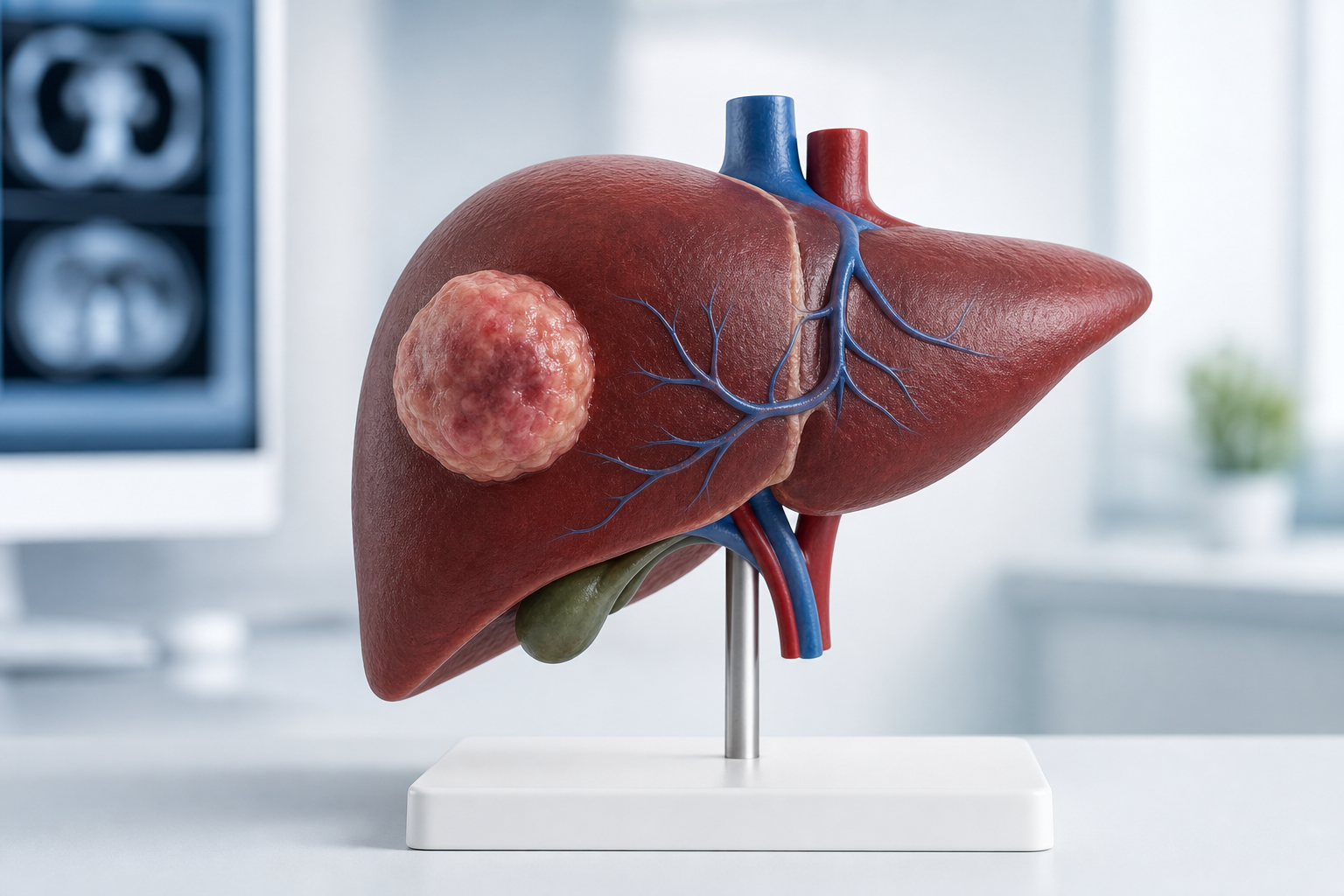
Photo placeholder — image will be added
- Overview
- Uncommon liver tumor requiring risk assessment and individualized management planning.
- Symptoms
- It may be found incidentally or present with abdominal discomfort, fullness, or complications in selected cases.
- Evaluation
- Assessment includes imaging review, clinical history, and risk-focused planning based on lesion behavior and context.
- Treatment
- Treatment may range from surveillance to operative management depending on size, symptoms, and clinical risk factors.
Video resource
Video link placeholder — will be addedHepatolithiasis
Hepatolithiasis is the presence of stones within the intrahepatic bile ducts and can lead to pain, infection, obstruction, and recurrent symptoms.
Hepatolithiasis
Hepatolithiasis is the presence of stones within the intrahepatic bile ducts and can lead to pain, infection, obstruction, and recurrent symptoms.
Hepatolithiasis is the presence of stones within the intrahepatic bile ducts and can lead to pain, infection, obstruction, and recurrent symptoms.
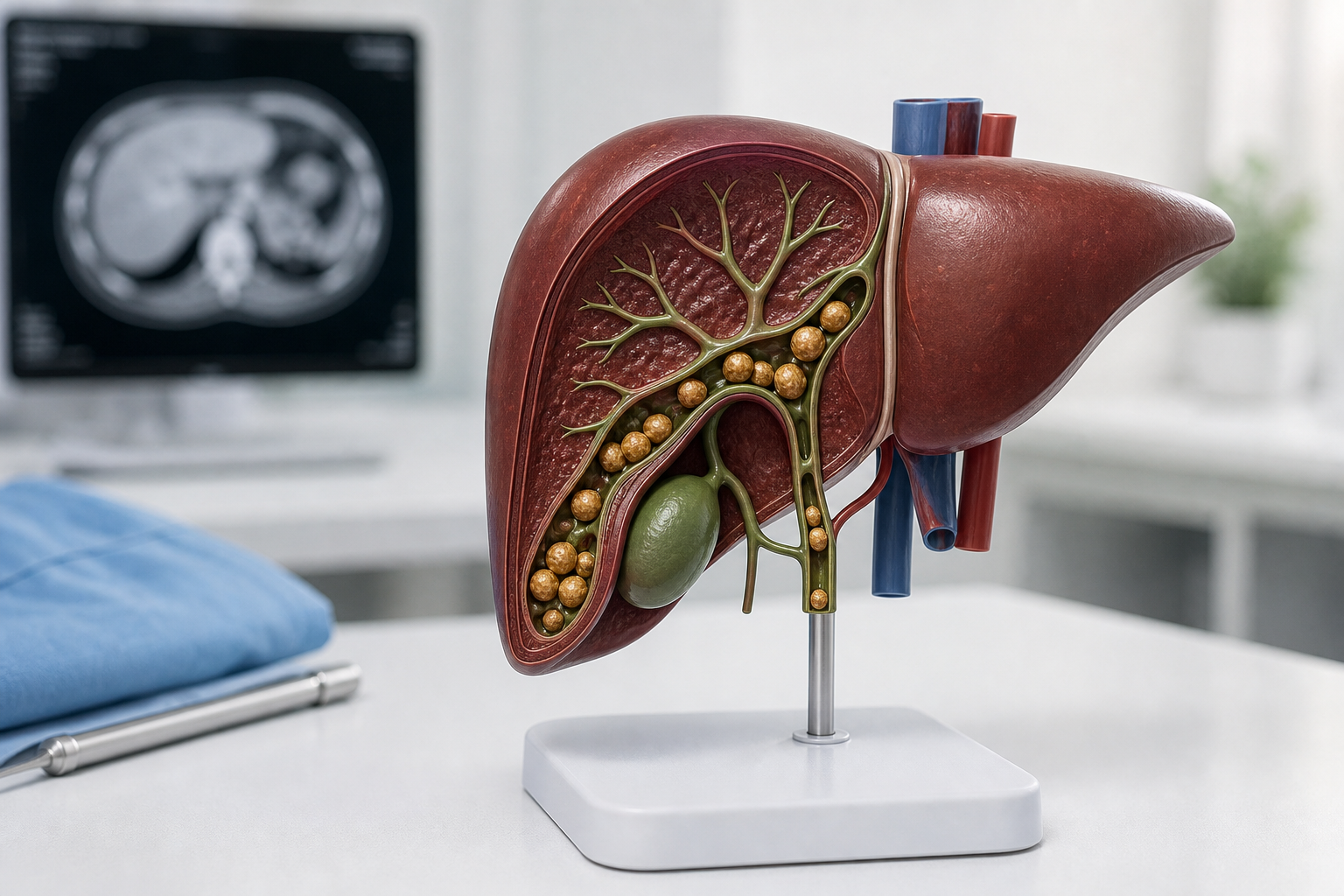
Photo placeholder — image will be added
- Overview
- Intrahepatic stone disease that may cause obstruction, infection, and repeat attacks.
- Symptoms
- Symptoms can include abdominal pain, fever, jaundice, or recurrent episodes of biliary infection.
- Evaluation
- Diagnosis generally relies on clinical assessment, liver-related investigations, and detailed imaging of the biliary tree.
- Treatment
- Treatment planning may include relieving obstruction, controlling infection, and selecting the most suitable surgical approach.
Video resource
Video link placeholder — will be addedLiver Cancer
Liver cancer needs prompt specialist evaluation so that diagnosis, stage, liver status, and treatment options can be reviewed without delay.
Liver Cancer
Liver cancer needs prompt specialist evaluation so that diagnosis, stage, liver status, and treatment options can be reviewed without delay.
Liver cancer needs prompt specialist evaluation so that diagnosis, stage, liver status, and treatment options can be reviewed without delay.
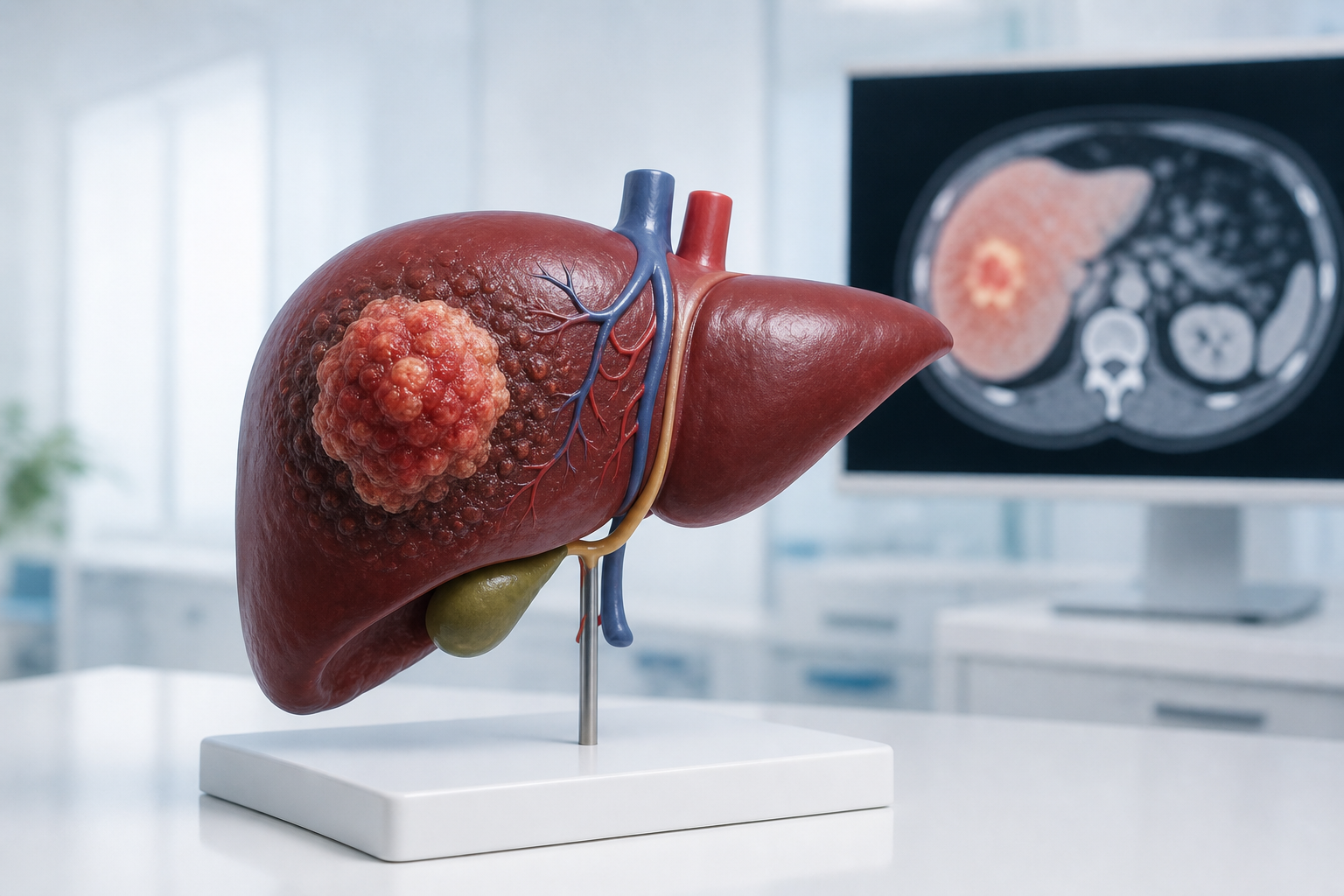
Photo placeholder — image will be added
- Overview
- Serious liver condition requiring timely diagnosis and structured treatment planning.
- Symptoms
- Possible warning signs include weight loss, abdominal pain, weakness, jaundice, or changes found on imaging or tests.
- Evaluation
- Evaluation may include imaging, blood tests, staging review, and assessment of overall liver function before treatment decisions.
- Treatment
- Management can involve a carefully coordinated plan that may include surgery and other specialist-guided treatment options.
Video resource
Video link placeholder — will be added